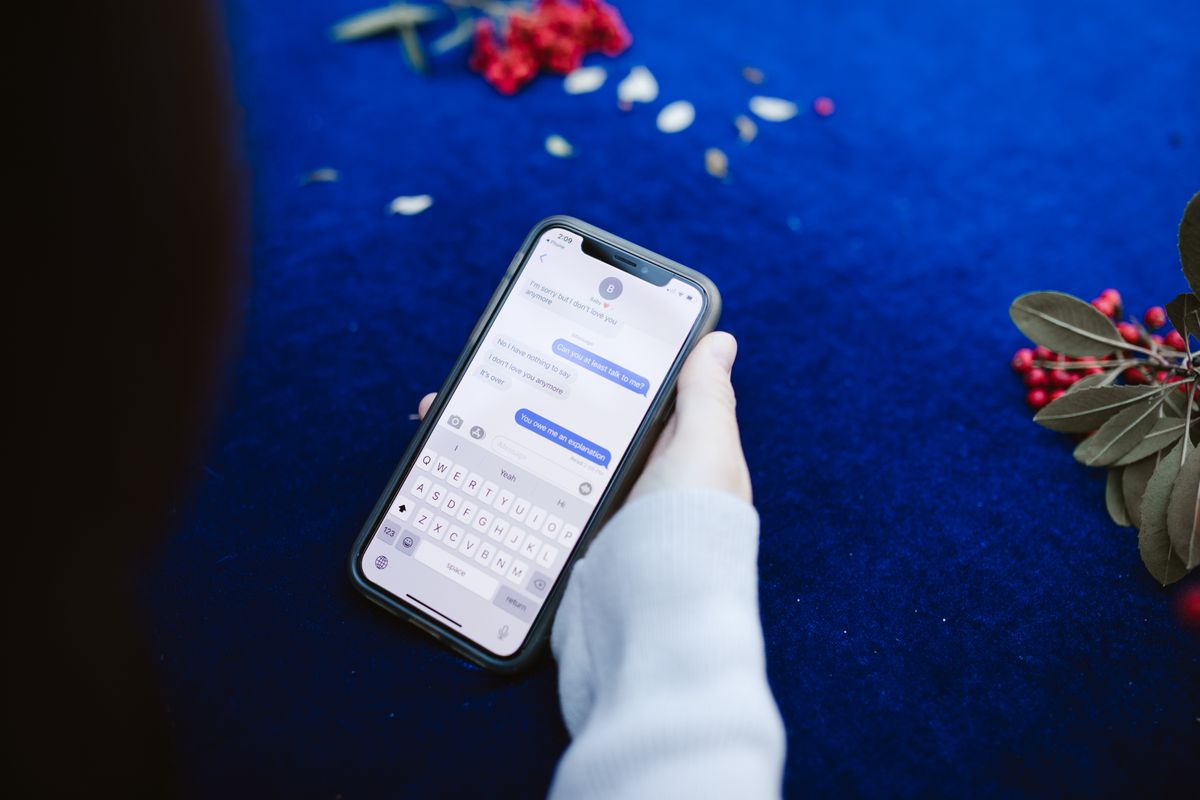
A virtual phone number can often receive verification texts, but not always. Many sites and apps send codes to virtual numbers without trouble, while others check the number type and refuse anything that is not a mobile carrier line, or send codes from short codes that do not reach every virtual number. It varies by sender, so no virtual number provider, AvoCall included, can promise that every code will arrive.
Why some codes never arrive
There are three common reasons a verification text does not reach a virtual number.
- The service rejects the number type. Before sending a code, some services look up whether a number belongs to a mobile carrier, a landline, or an internet calling service. If the lookup says "virtual" or "VoIP", the sign-up form may simply say the number is not supported.
- The code comes from a short code. Many codes are sent from five or six digit short codes. Short-code delivery to virtual numbers is less consistent than delivery to carrier mobile lines.
- The service limits sign-ups per number. Some platforms only allow one account per number, or flag numbers that were used before. A recycled number can trip that check even when the number itself is fine.
None of these mean the number is fake. They are rules set by the service sending the code, and every virtual number provider runs into them. As of October 2026, Google's own help page for Google Voice says "some websites, such as banks or subscription services, won't send text messages to Google Voice numbers," and Venmo's help center says you need "a U.S.-based cell phone that can send and receive text messages from short codes."
What usually works and what often does not
These are general patterns, not guarantees. Always test with the specific service before you depend on it.
| Kind of service | How it tends to go with a virtual number |
|---|---|
| Online shopping, deliveries, restaurants, newsletters | Usually fine |
| Marketplaces, classifieds, dating apps | Mixed; some accept, some require a carrier mobile number |
| Social and messaging apps | Mixed, and rules change often |
| Banks, payment apps, and cryptocurrency exchanges | Often stricter; many require a carrier mobile number |
| Government and tax services | Varies by agency |
How AvoCall handles verification texts
AvoCall gives you a virtual local US or Canada number. When a supported message arrives, it shows up in the app with your other texts. Full visibility of supported verification texts is part of AvoCall+, and the pricing page lists what each plan includes.
What AvoCall will not do is promise compatibility. Whether a particular bank, marketplace, or app accepts a virtual number is that sender's decision, and it can change without notice.
Two more things to keep in mind:
- Codes come from the sender, never from AvoCall. If you see "Your verification code is 604921", that message was sent by the service you are signing up for.
- Never read a code to anyone. A common scam asks a seller or a match to "confirm you're real" by reading back a code. The code is usually for an account the scammer is trying to open or take over in your name. The FTC puts it plainly: "Anyone who asks you for your account verification code is a scammer." See using a second number for selling online for how that scam works.
How to avoid getting locked out
- Keep important accounts on a number you will keep. Your bank, primary email, and phone carrier account should use your main mobile number or an authenticator app, not a number you might stop using.
- Test before you commit. Try the sign-up with your second number. If the form refuses it, use a different method rather than retrying many times.
- Keep your second number active. On free plans, many apps (AvoCall included) can release a number after a period of inactivity, and a released number can be assigned to someone else. A paid plan such as AvoCall+ keeps the number while you are subscribed.
- Add backup sign-in options. Where a service offers backup codes, an authenticator app, or a recovery email, set them up so a missed text does not lock you out.
Where a second number really helps
A second number shines in places where you want to stay reachable without handing out your real one:
- Marketplace listings and buyers you have never met
- Dating apps and early conversations with matches
- Store loyalty programs, contests, and sign-up forms
- Staying reachable on a US number while you travel or live abroad
Pick a number by area code or city, check current pricing, and download AvoCall to try it. For a wider look at your options, see the best second phone number apps.
Frequently asked questions
Can a virtual number receive verification codes?
Often, yes. Many services send codes to virtual numbers without any problem. Some services check the number type and refuse virtual or VoIP numbers, and some short-code senders do not deliver to them, so results vary by sender.
Why do some apps say my number is not supported?
Some services look up the type of number you enter and only accept numbers from a mobile carrier. If the lookup says the number is virtual or VoIP, the service may refuse it before it ever sends a code.
Will my AvoCall number work for my bank?
It depends on the bank. AvoCall cannot guarantee that any bank, payment app, or platform will accept a virtual number. Keep the mobile number your bank already has on file for sign-in and security alerts.
Does AvoCall send verification codes?
No. Verification codes come from the service you are signing up for or logging in to. AvoCall only delivers supported messages to your AvoCall number, and it will never ask you to share a code.
Should I use a second number for two-factor authentication?
For accounts that matter, such as your bank, email, and phone carrier, keep two-factor authentication on a number you control long term or use an authenticator app. A second number is best for sign-ups where privacy matters more than account recovery.